

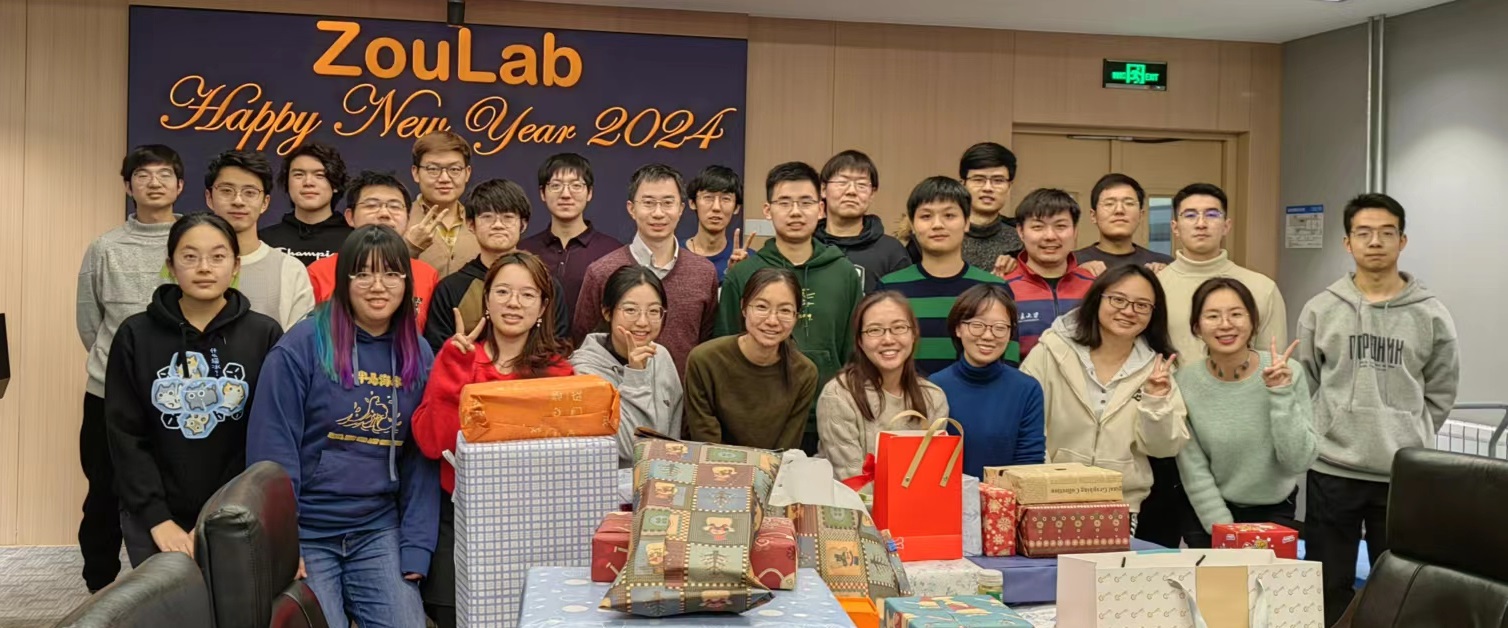

Welcome to Zou Lab
Welcome to our lab at College of Chemistry and Molecular Engineering, Peking University!
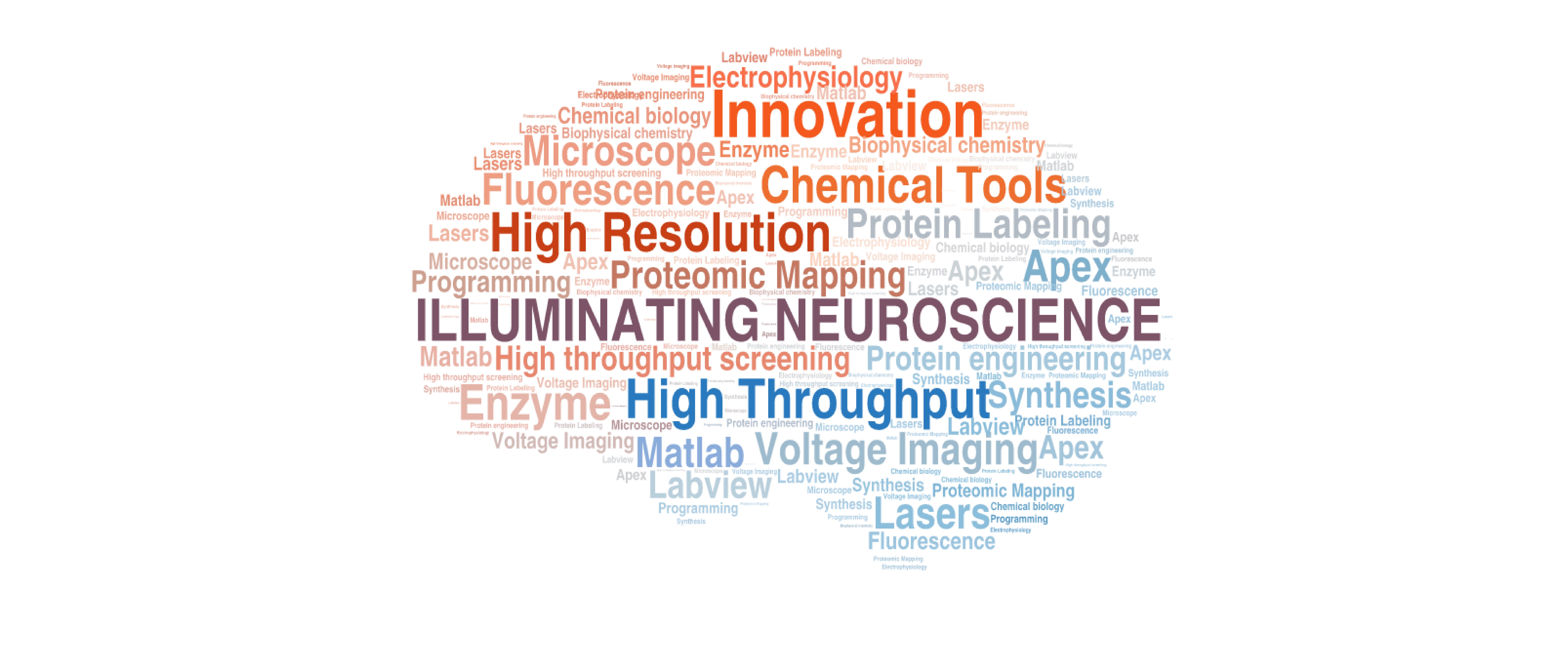
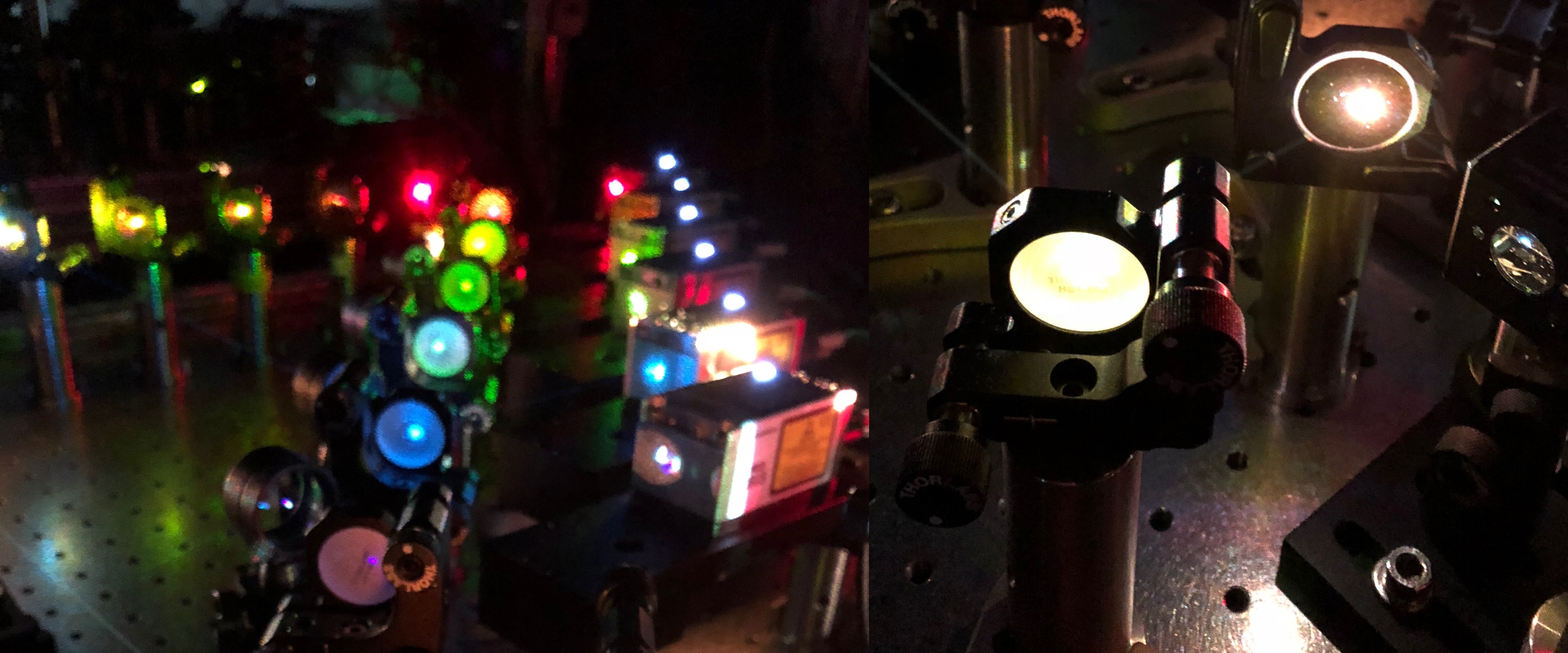
We aim to invent chemical and biophysical tools to map neuronal activities at high spatiotemporal resolution. We apply these tools to investigate the underlying biological macromolecules, physical forces, and chemical signaling that give rise to neuronal functions. Examples are engineered enzymes, fluorescent indicators, custom-built microscopes and software, etc.
Our methods are drawing from a wide range of techniques, including protein engineering, chemical synthesis, molecular and cellular biology, fluorescence microscopy, high-throughput sequencing, mass spectrometry-based proteomics, and quantitative modeling.
Current research projects include:
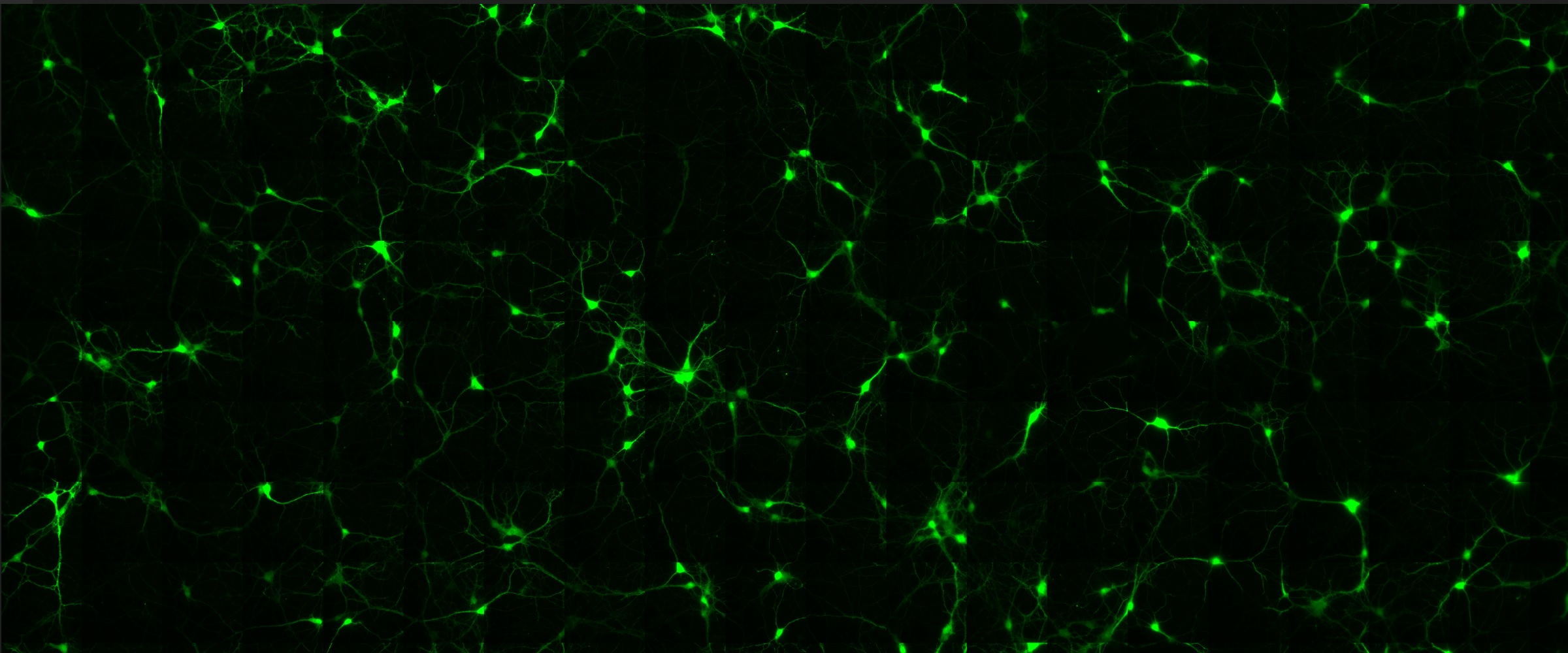
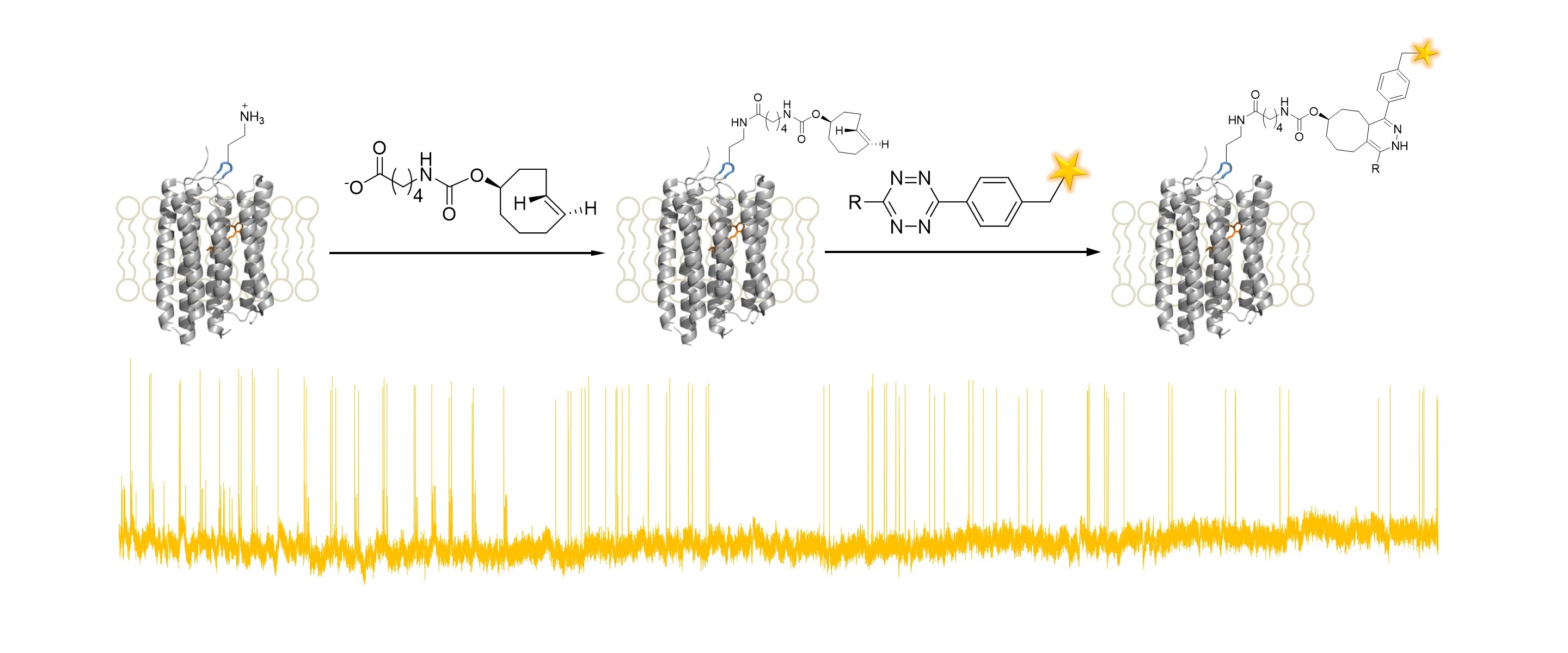
- Optical mapping of action potential waveforms with genetically-encoded voltage indicators
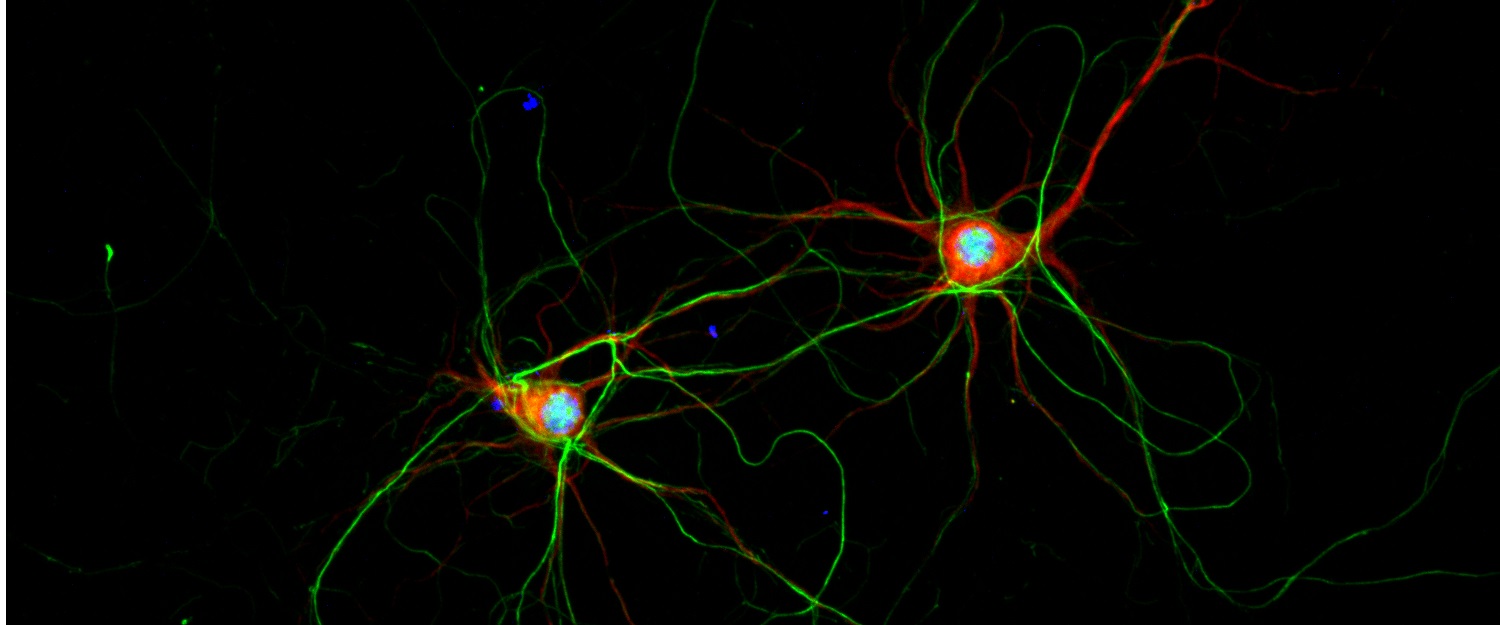
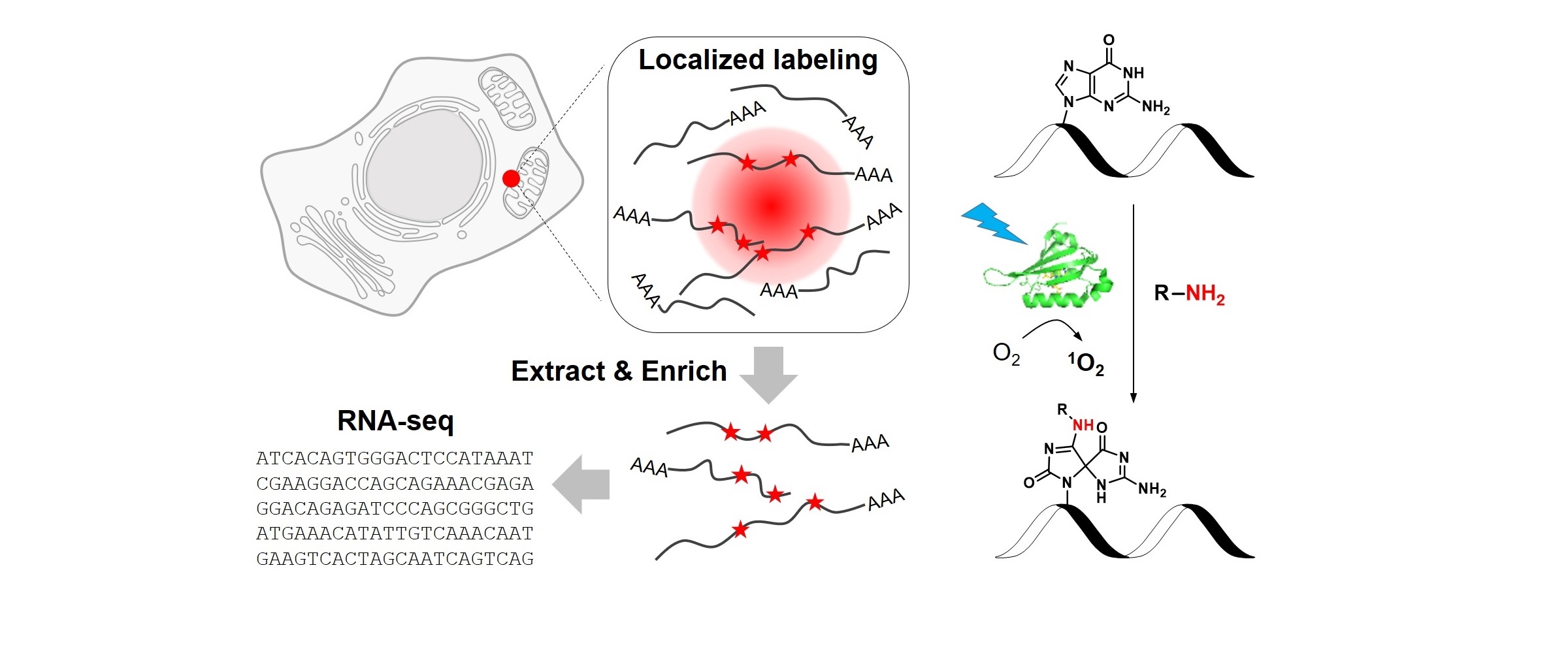
- Free radical-based chemical probes for spatiotemporally resolved mapping of proteins and RNAs in neurons
- Directed evolution platforms that drive technological advancements in the above two fronts
We are looking for graduate students and postdocs to join our lab! Please contact us if you are interested.
Selected Publications
More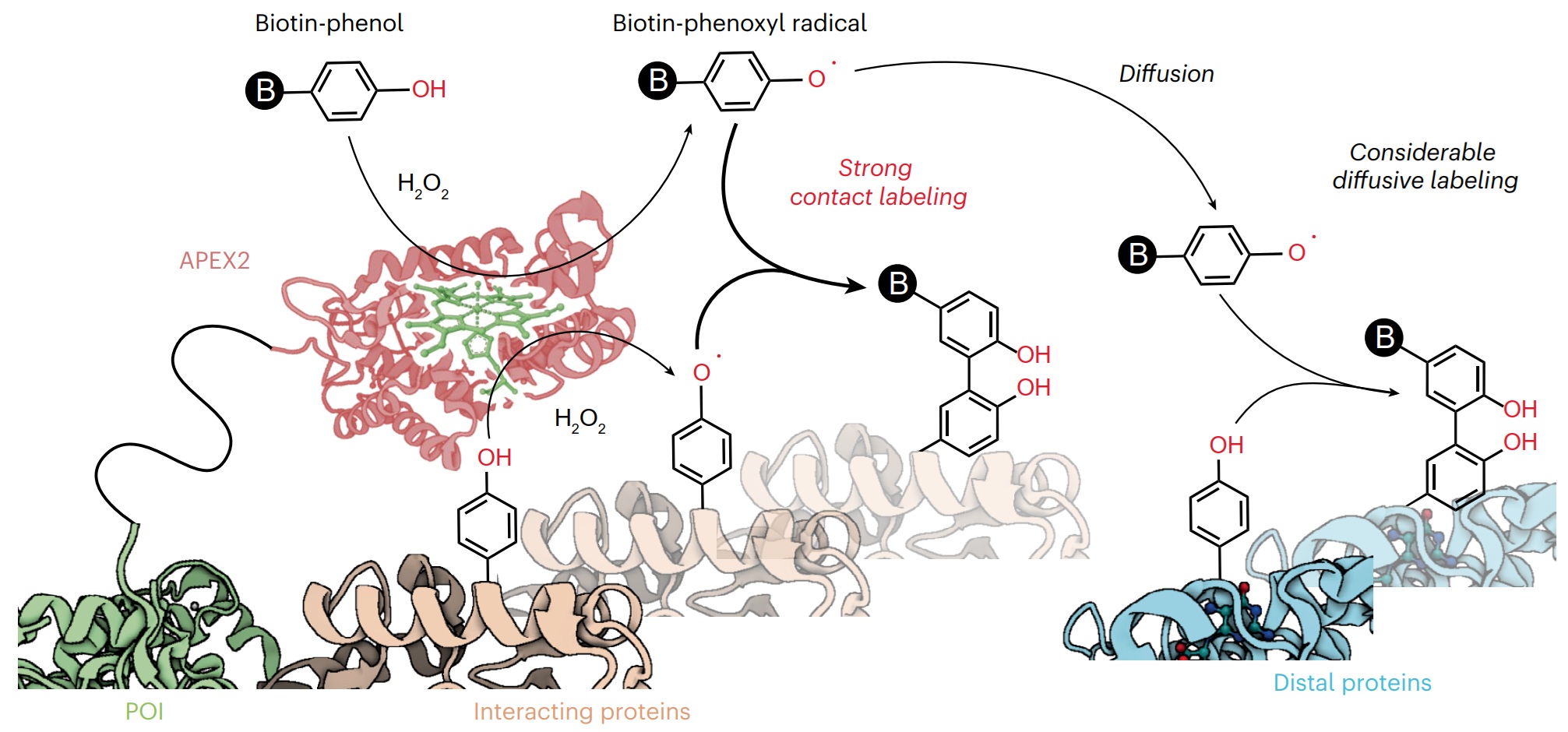
Yang, Z. et al. Nat. Chem. Biol., 2025
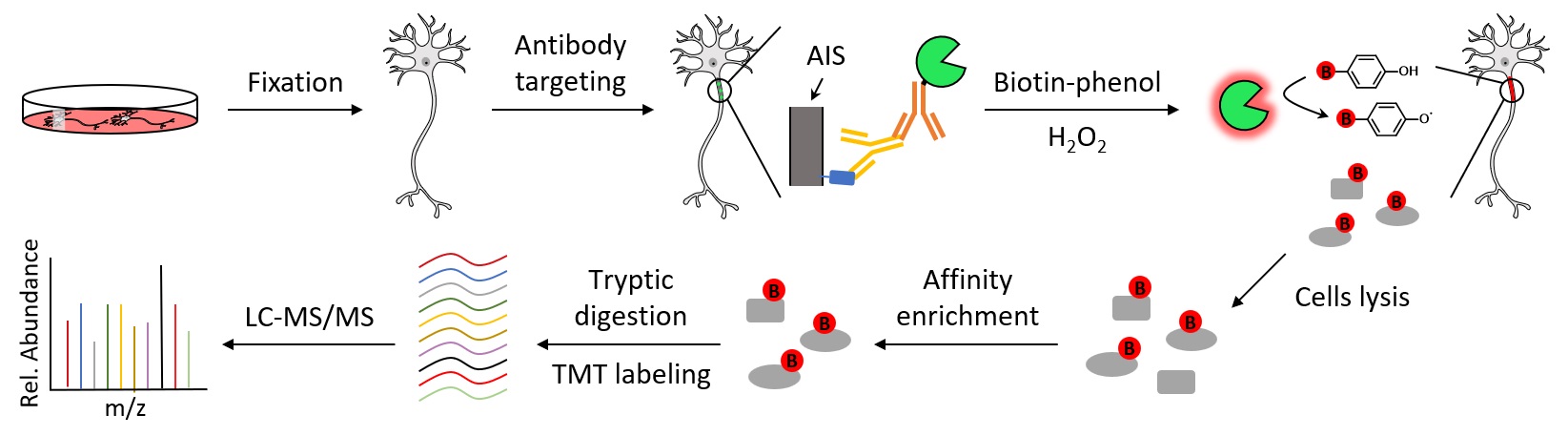
Immunoproximity biotinylation reveals the axon initial segment proteome
Zhang, W. et al. Nat. Commun., 2023
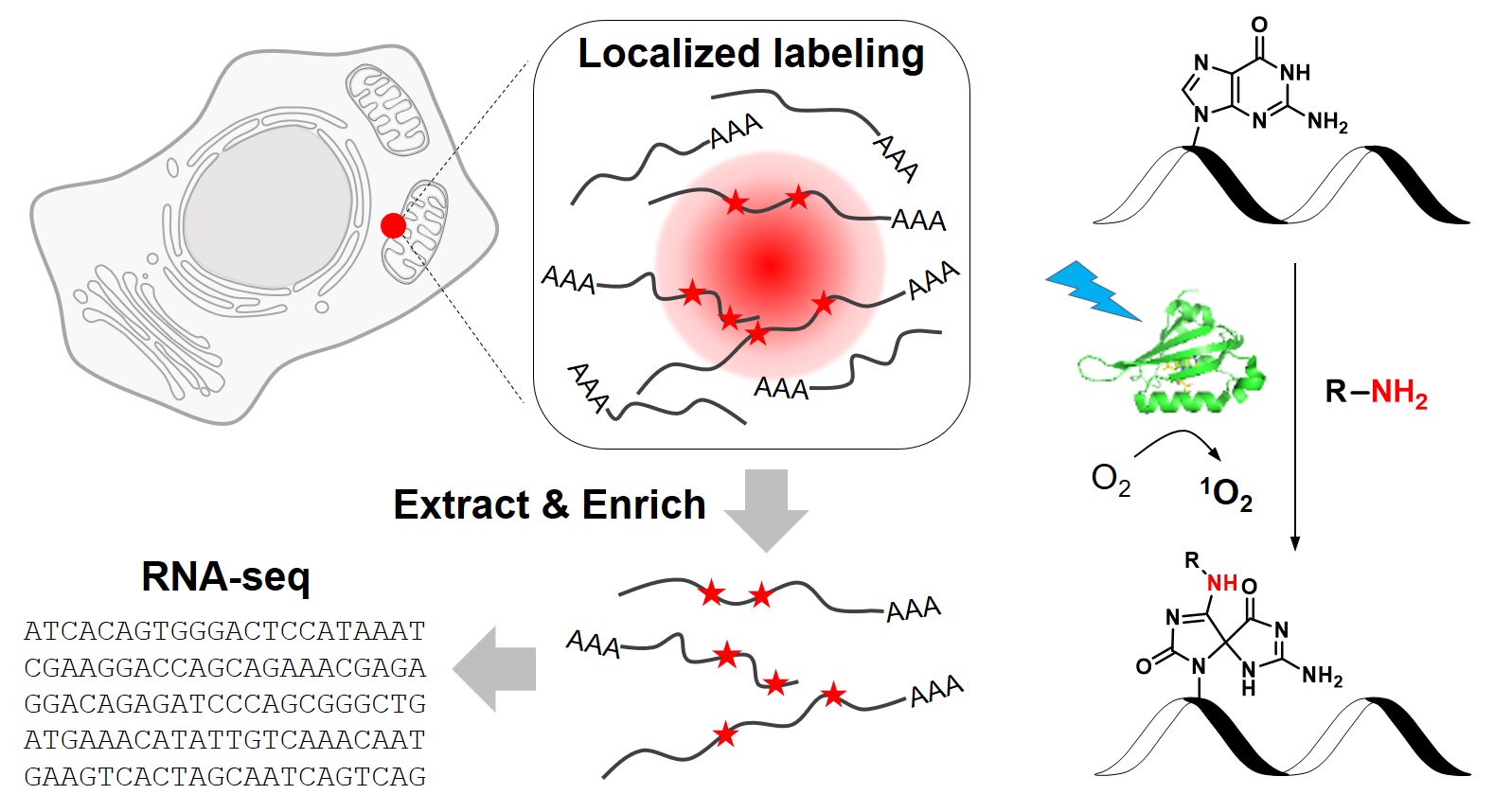
Mapping spatial transcriptome with light-activated proximity-dependent RNA labeling
Wang, P.#, Tang, W.#, Li, Z.# et al. Nat. Chem. Biol., 2019
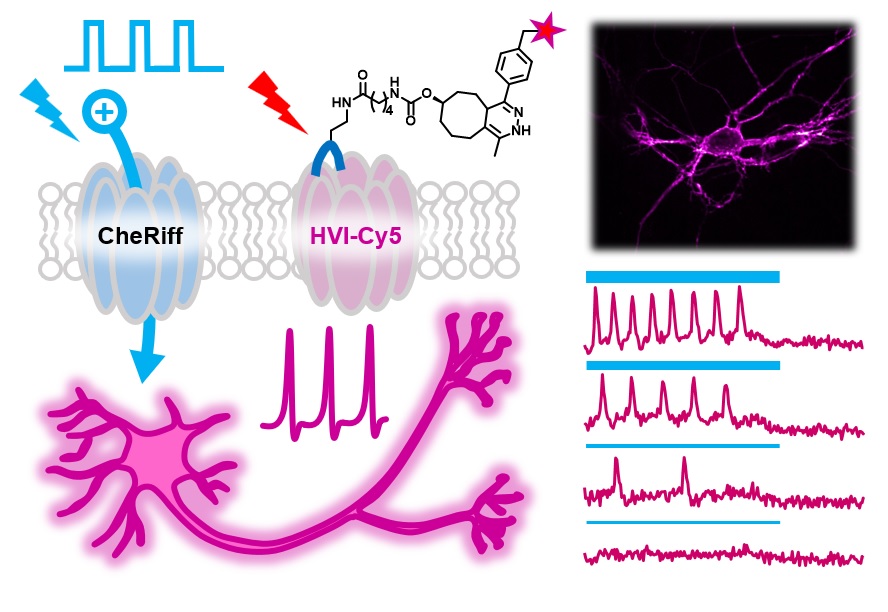
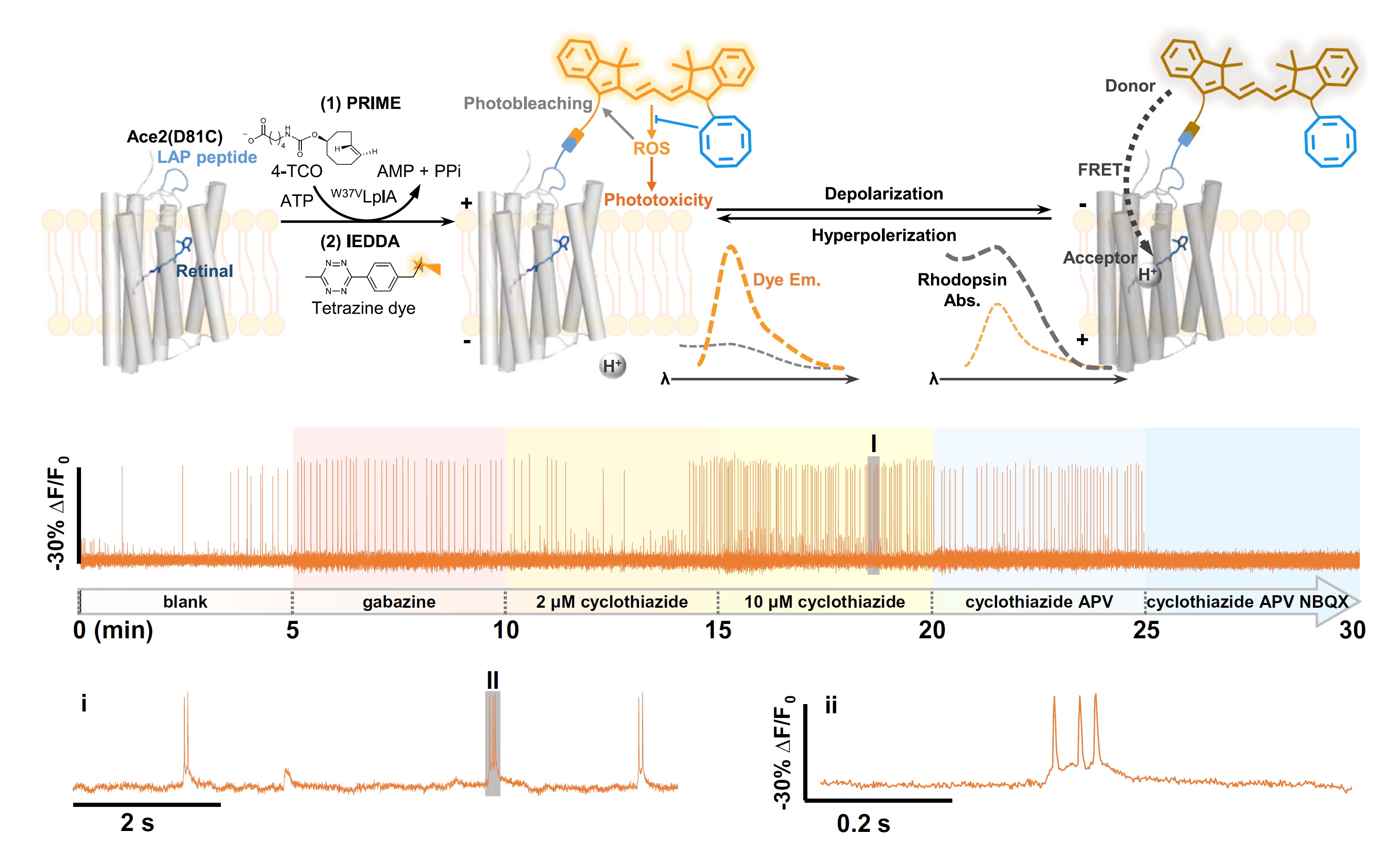
A far-red hybrid voltage indicator enabled by bioorthogonal engineering of rhodopsin on live neurons
Liu, S.#, Lin, C.#, Xu, Y.# et al. Nat. Chem., 2021
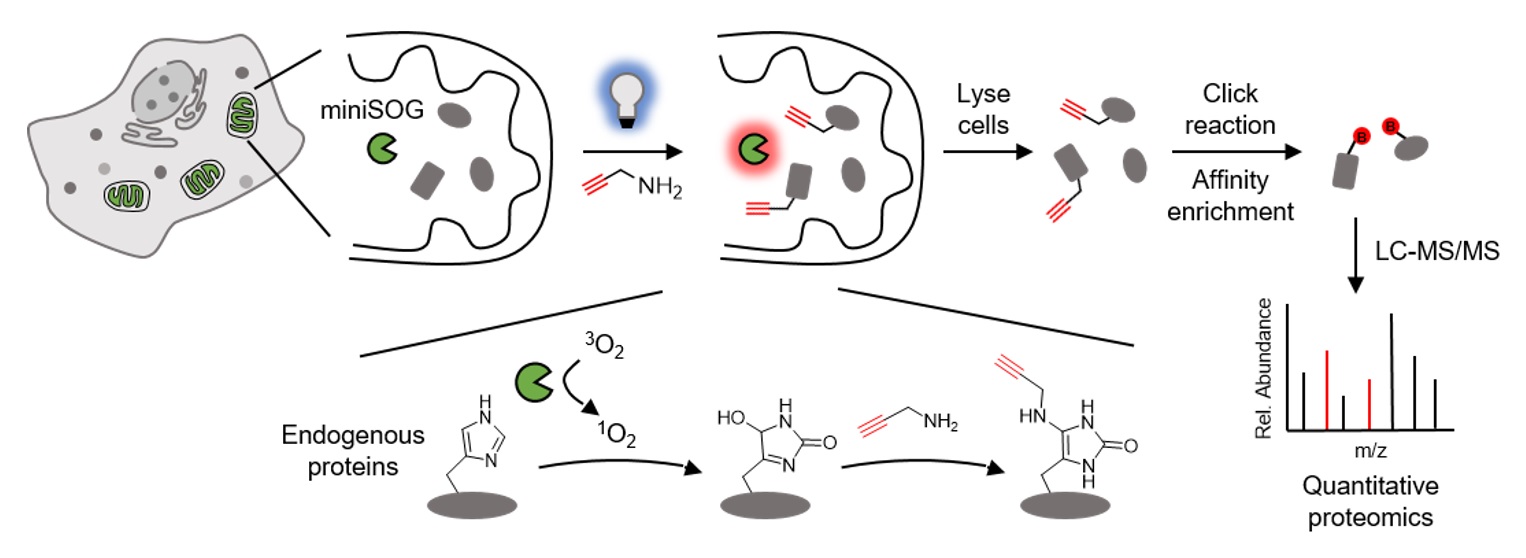
Zheng, F. et al. Nat. Commun., 2023

Han, Y.#, Yang, J.#, Li, Y.#, Chen, Y.# et al. Sci. Adv., 2023
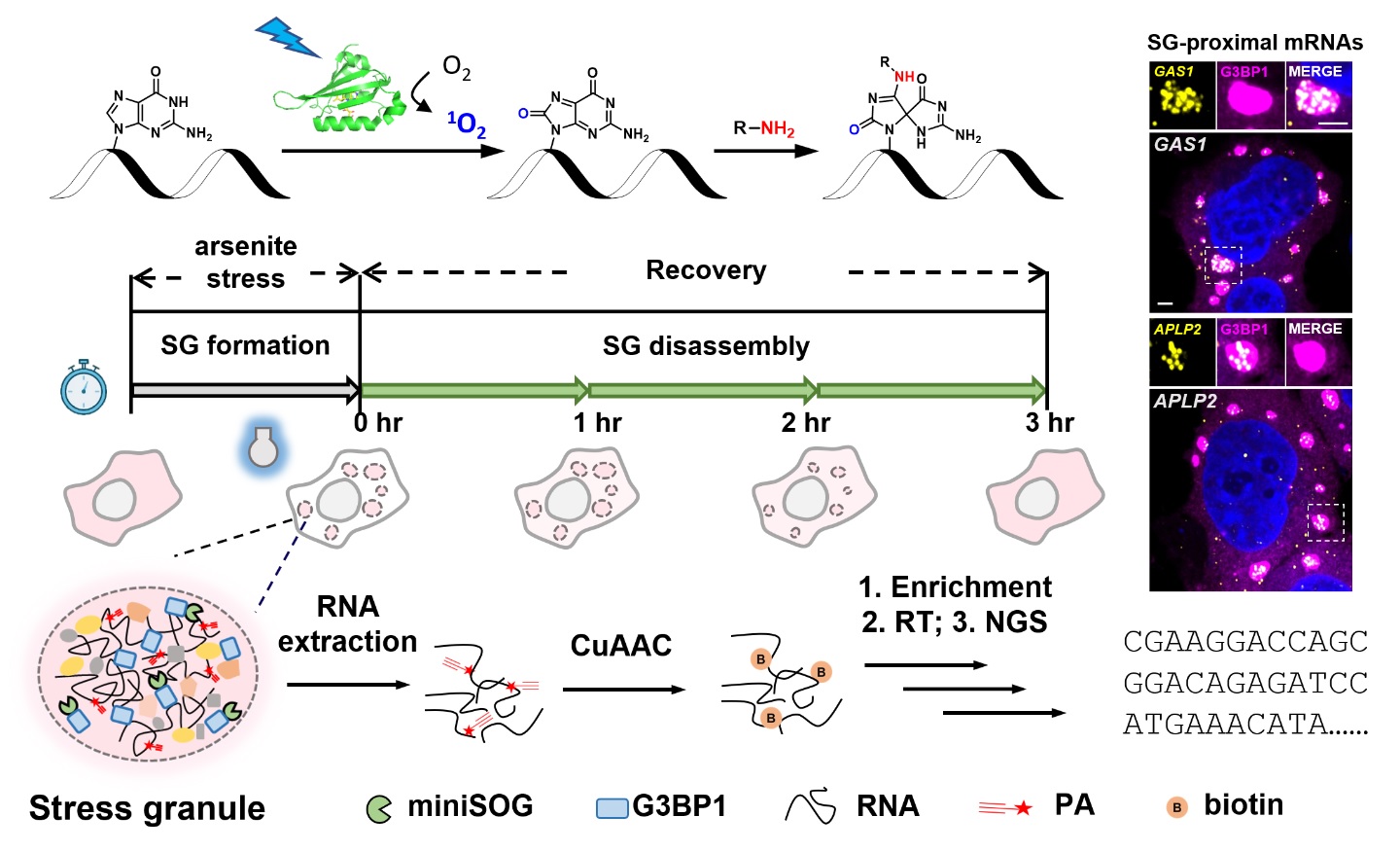
Profiling stress-triggered RNA condensation with photocatalytic proximity labeling
Ren, Z.#, Tang, W.# et al. Nat. Commun., 2023
Liu, S.#, Ling, J.# et al. PNAS, 2023
Fang, Y. and Zou, P.* Acc. Chem. Res., 2025
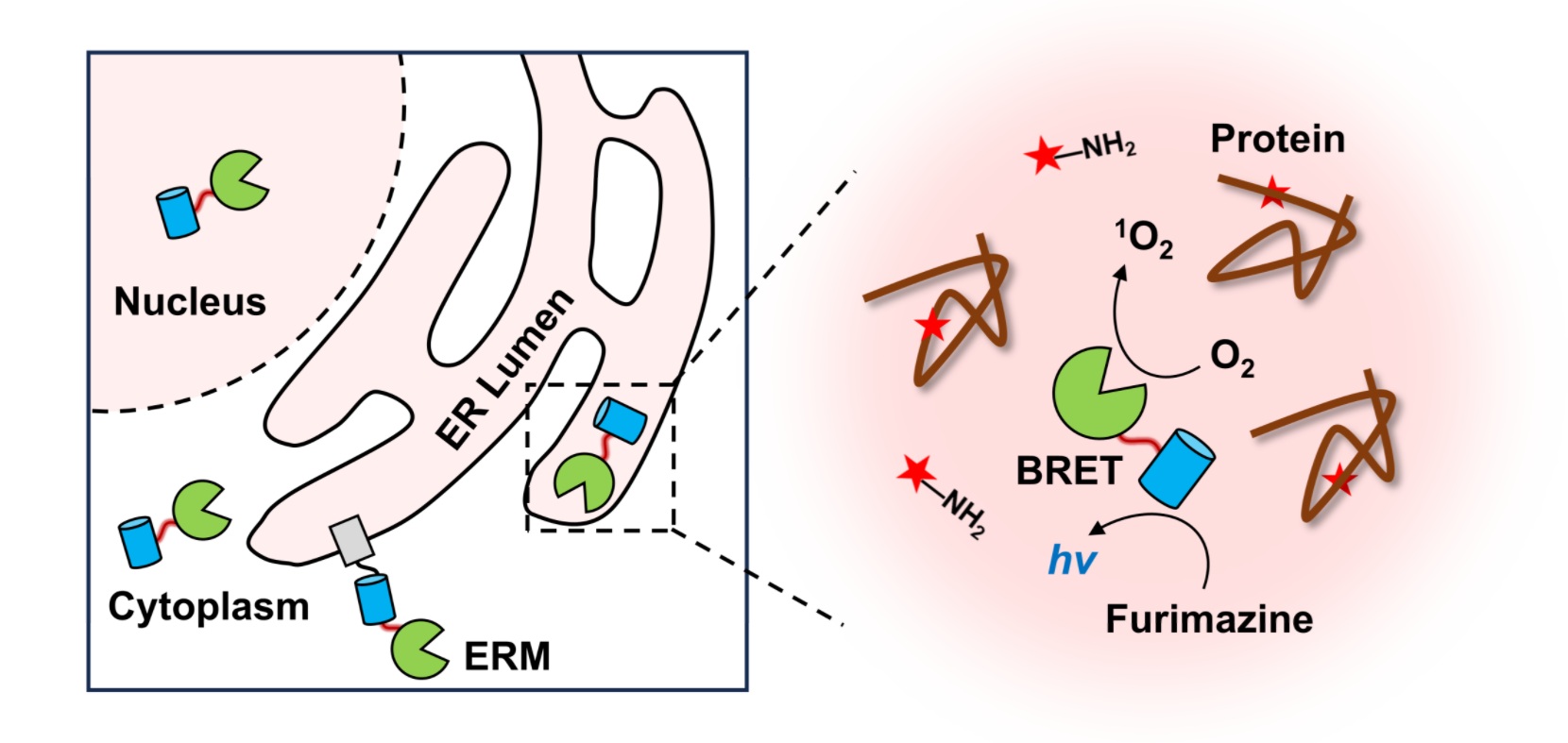
Bioluminescence-activated proximity labeling for spatial multi-omics
Wang, R.#, Fang, Y.# et al. Chem, 2025
Recent News
More-
Promotion
March 3, 2026Peng is promoted to Full Professor at Peking University
-
How proximal is proximity labeling?
Dec 25, 2025To find out the answer, check out our recent Nature Chemical Biology publication.
-
Light-powered tools for spatial omics
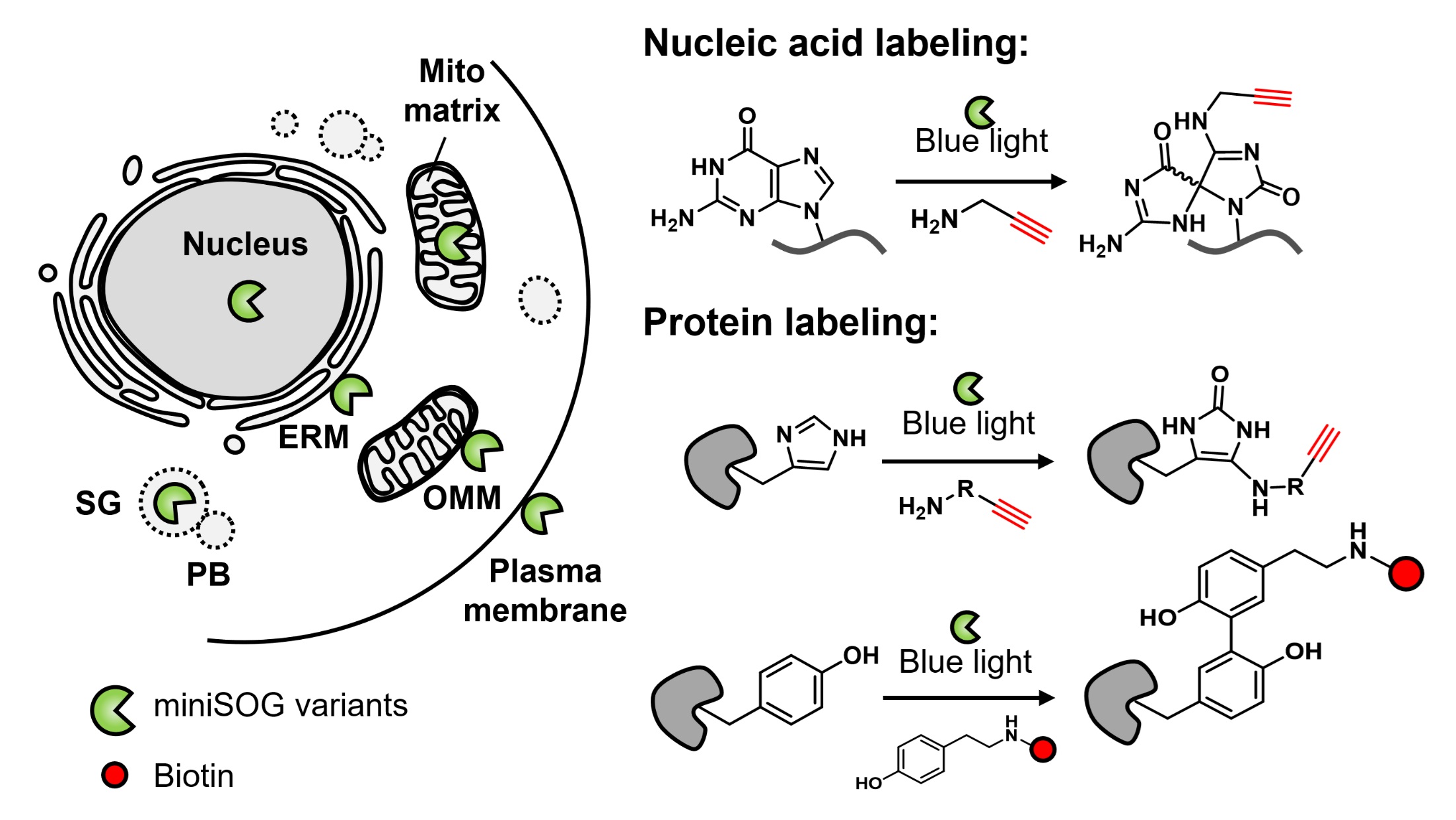
Sept 10, 2025Light offers powerful opportunities for mapping biomolecules in living systems with high spatial and temporal precision. In a recent invited review, we summarize the development of genetically encoded photocatalytic proximity labeling (PPL) methods.
-
Bioluminescence lights up subcellular maps
May 26, 2025Check out our recent work on photocatalytic proximity labeling.
Links




About Us

Peking University, Beijing, 100871, China
Tel: +86-10-62745395
Email: zoupeng_at_pku.edu.cn
ZouLab © All Rights Reserved.